Source link : https://las-vegas-news.com/the-near-miss-effect-how-slot-machines-trick-your-brain-into-thinking-you-almost-won/
What a Near-Miss Actually Is

In games of chance, a near-miss occurs when feedback for a loss closely resembles a win. A classic example would be landing “cherry-cherry-lemon” on a slot machine instead of the three cherries needed to collect a payout. It’s still a loss, technically, in every financial sense. Nothing has been won. Yet the experience of it rarely feels that way to the person sitting in front of the machine.
By stimulating the “win” response, conditional reinforcement may lead a gambler to temporarily mistake a game of luck for a game of skill. That’s a subtle but important shift. The brain has just been given a false lesson – that it was close, that something it did or didn’t do almost worked, and that trying again makes sense. The misconception that near-misses are closer to wins than losses may be the result of stimulus generalization, in which formally similar stimuli lead to equal or nearly equal responses.
What Happens Inside the Brain
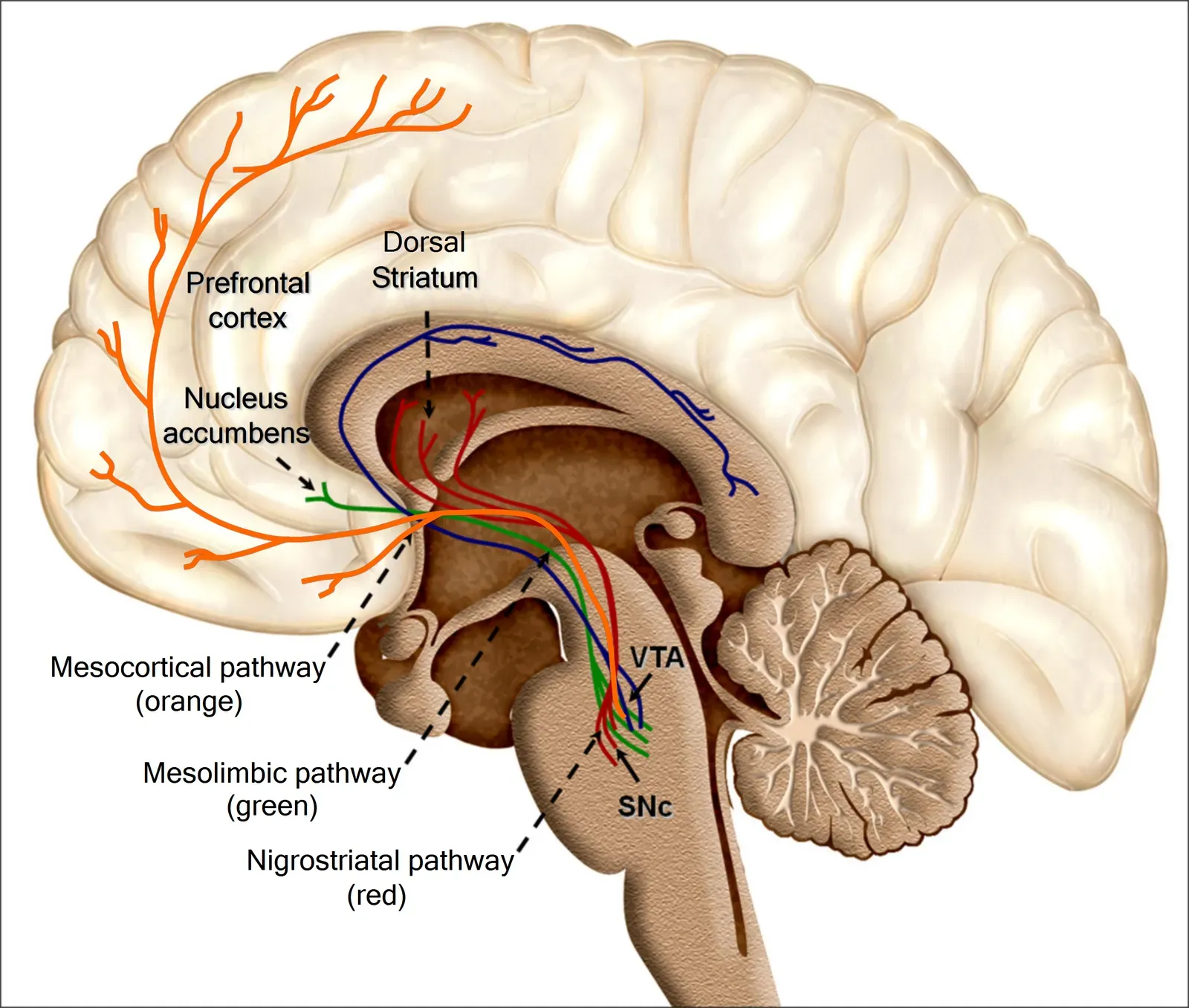
Near-misses stimulate reward-related parts of the brain such as the ventral striatum, and can increase heart rate and…
—-
Author : Matthias Binder
Publish date : 2026-04-22 13:46:00
Copyright for syndicated content belongs to the linked Source.
—-
1 – 2 – 3 – 4 – 5 – 6 – 7 – 8