Source link : https://las-vegas-news.com/8-movies-shot-in-black-and-white-after-1970/
Color became the default for filmmaking long before 1970, so choosing black and white afterward is a deliberate artistic decision. Directors have used it for mood, historical texture, or to set a film apart from everything around it. The eight films below show how varied those reasons can be.
The list sticks to well-documented feature films that were , not films that were converted later. Each entry is a gallery-style snapshot with a few facts you can easily verify.
The Last Picture Show (1971)
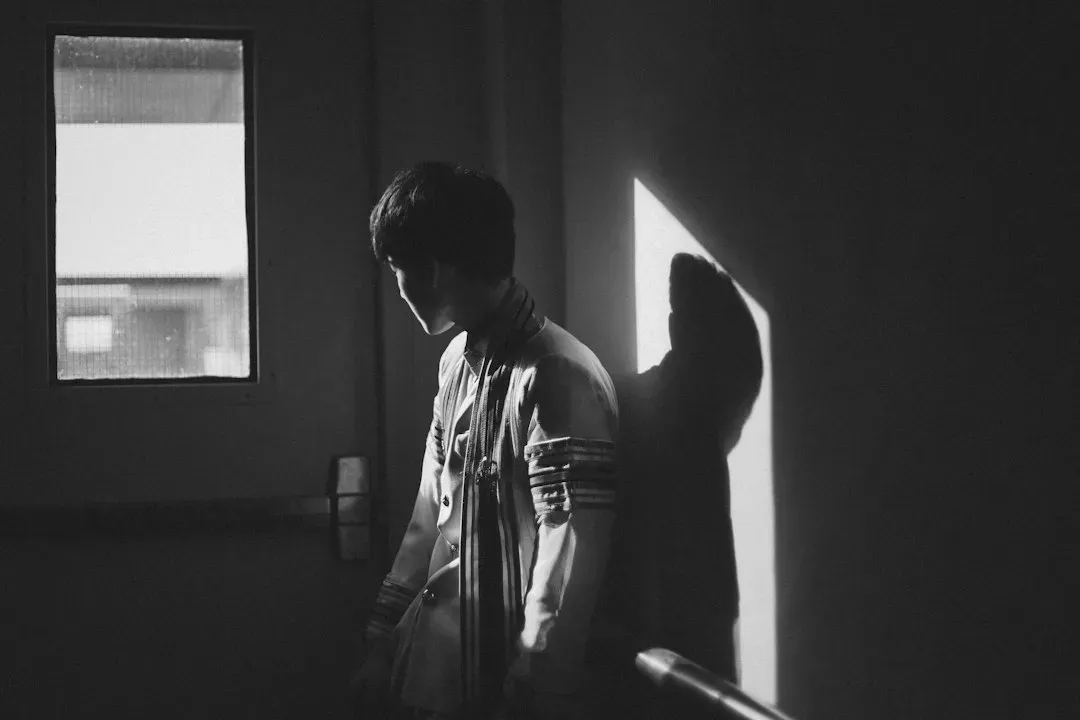
Peter Bogdanovich directed this adaptation of Larry McMurtry’s novel about a dying Texas town in the early 1950s. Robert Surtees shot it in black and white, which gave the dusty streets and empty storefronts a stark, period-appropriate look. Bogdanovich has said he wanted it to resemble the films of that era.
The film earned eight Academy Award nominations. Ben Johnson and Cloris Leachman won the supporting acting Oscars. It remains one of the best-known examples of black and white photography in the New Hollywood period.
Young Frankenstein (1974)
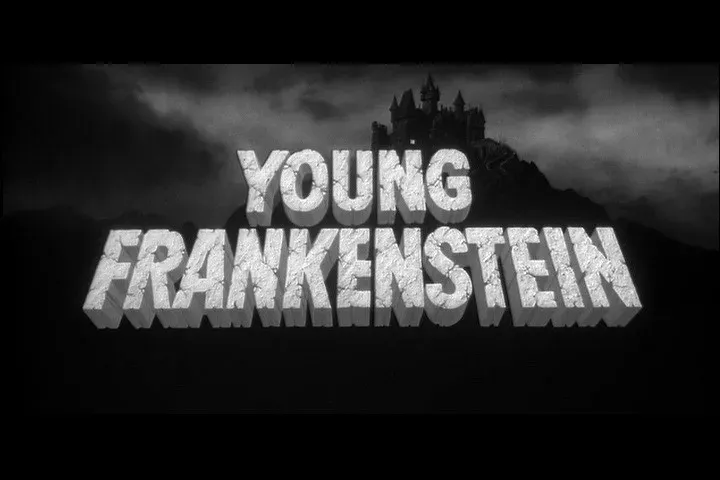
Mel Brooks made his horror parody in black and white to echo the Universal monster films of the 1930s. Gerald Hirschfeld photographed it, and the production even reused laboratory equipment designed by Kenneth Strickfaden for the 1931 Frankenstein. The look is a big part of why the jokes land.
Brooks…
—-
Author : Matthias Binder
Publish date : 2026-10-23 17:45:00
Copyright for syndicated content belongs to the linked Source.
—-
1 – 2 – 3 – 4 – 5 – 6 – 7 – 8