Source link : https://las-vegas-news.com/tail-wagging-and-7-other-dog-behaviors-veterinarians-say-owners-commonly-misread/
Most of us learn to read dogs the way we learn a second language, by picking up a few phrases and assuming the rest. A wagging tail means happy, a lowered head means sorry, and a belly roll means rub me. Those shortcuts work often enough that we rarely question them.
Veterinarians and veterinary behaviorists see where they break down. Many of the bite cases, anxious patients and strained owner relationships they deal with trace back to a signal that was read the wrong way. Here are eight common ones, along with what the research and clinical guidance say about each.
Tail Wagging Is Not Always Friendly
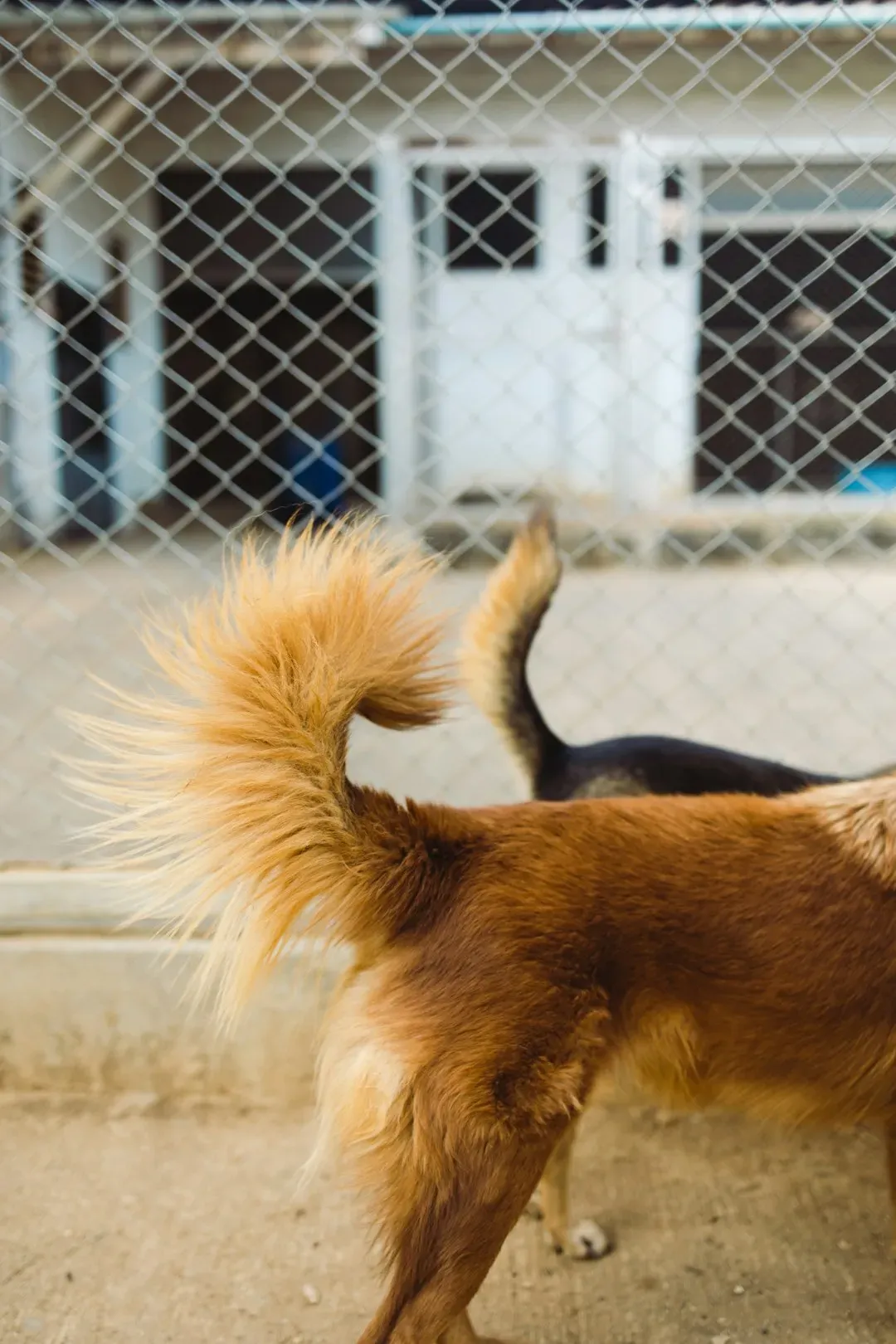
A wag simply shows that a dog is emotionally aroused. That arousal can be excitement, but it can also be uncertainty or tension. Speed, height and stiffness all change the message, and a high, rigid, fast wag can come before a confrontation.
Research adds another layer. A well known Italian study led by Giorgio Vallortigara found that dogs tend to wag more to the right when they see something they like, and more to the left when they see something they find threatening. Other dogs watching the video reacted differently to each pattern. It’s a subtle cue, though, so it works best as one clue among many, alongside ears, posture and the dog’s face.
The Guilty Look Isn’t Guilt
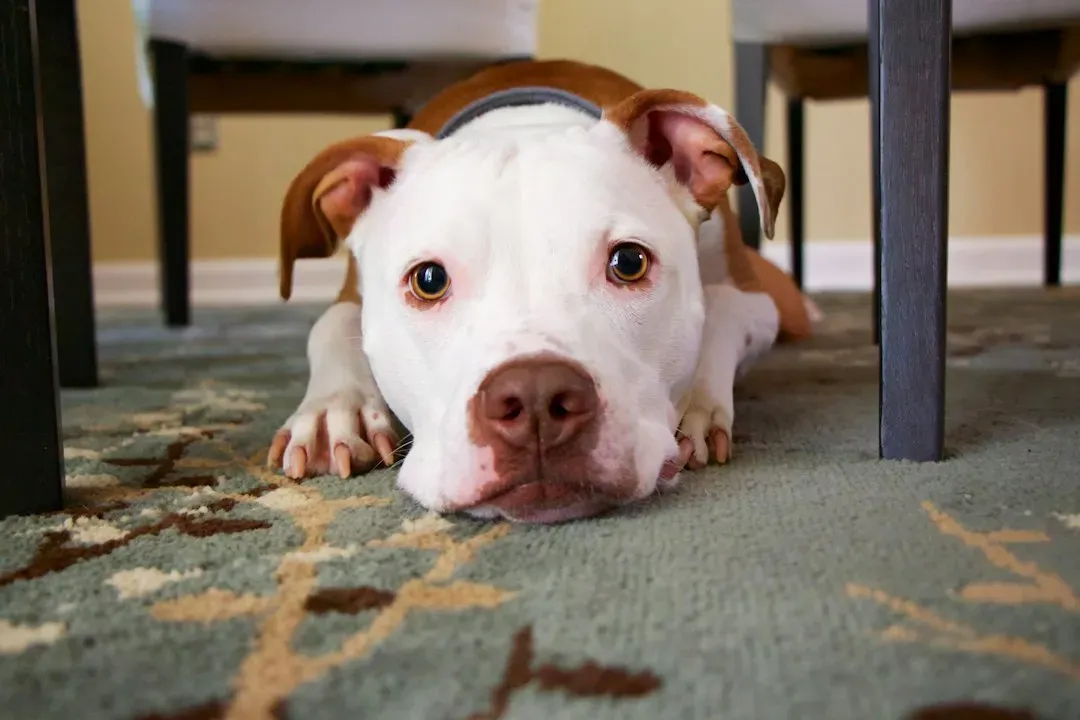
When you come home to a shredded cushion and your dog slinks away…
—-
Author : Matthias Binder
Publish date : 2026-10-07 16:06:00
Copyright for syndicated content belongs to the linked Source.
—-
1 – 2 – 3 – 4 – 5 – 6 – 7 – 8