Source link : https://las-vegas-news.com/how-b-movies-filled-double-features-in-the-1950s/
Walk into an American movie theater in 1950 and you’d likely get two films for one ticket. The famous name on the poster was often only half the program. The other half was a leaner, cheaper picture that most people forgot by the next week.
Those smaller films weren’t accidents. They were part of a system built on studio economics, theater scheduling, and audience habits. Here’s how that system worked and why it began to change.
The Double Feature Habit Took Hold Before the Decade Began
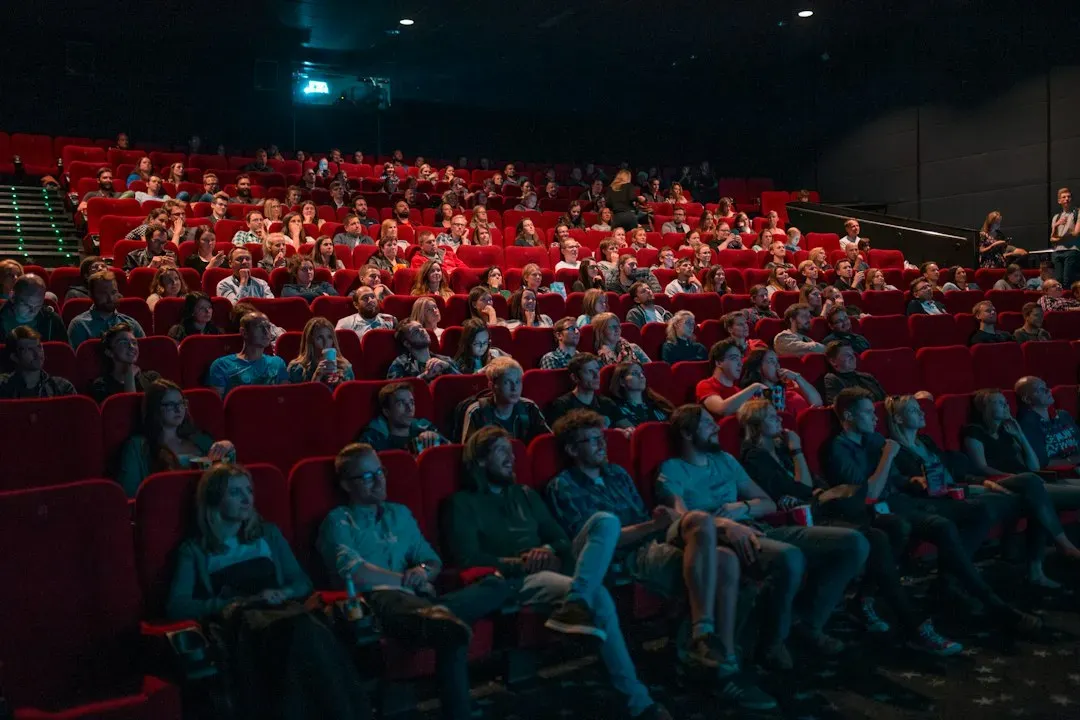
Double bills became common in American theaters during the Great Depression. Exhibitors used the second film as a way to make a ticket feel like a better deal. By the 1950s, audiences already expected a full evening of entertainment rather than a single movie.
The habit gave theaters a steady need for product. A program with two features used up far more film than a program with one. That demand created room for cheap pictures made specifically to fill the lower half of the bill.
What Counted as a B-Movie
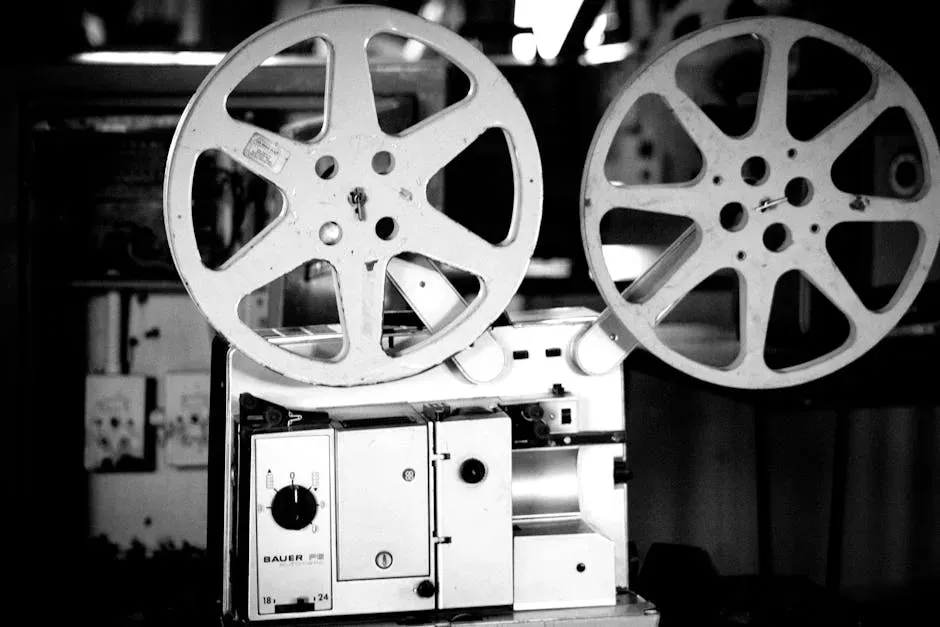
The B-movie was originally a practical label, not an insult. It described a lower budget picture meant to play as the supporting feature on a double bill. These films usually ran well under ninety minutes, and many were closer to an hour.
They often featured lesser known actors, reused sets, and tight shooting schedules. Genres such as…
—-
Author : Matthias Binder
Publish date : 2026-10-14 06:30:00
Copyright for syndicated content belongs to the linked Source.
—-
1 – 2 – 3 – 4 – 5 – 6 – 7 – 8