Source link : https://las-vegas-news.com/how-drive-in-theaters-have-survived-into-the-2020s/
The drive-in has been declared dead more than once. Yet every summer, cars still roll onto gravel lots at dusk, windows down, snacks packed, waiting for the screen to light up.
The story of how that happened is less about nostalgia than it first appears. It involves real estate, film distribution, a pandemic, and a few owners who refused to quit.
A Format Born in the Early 1930s
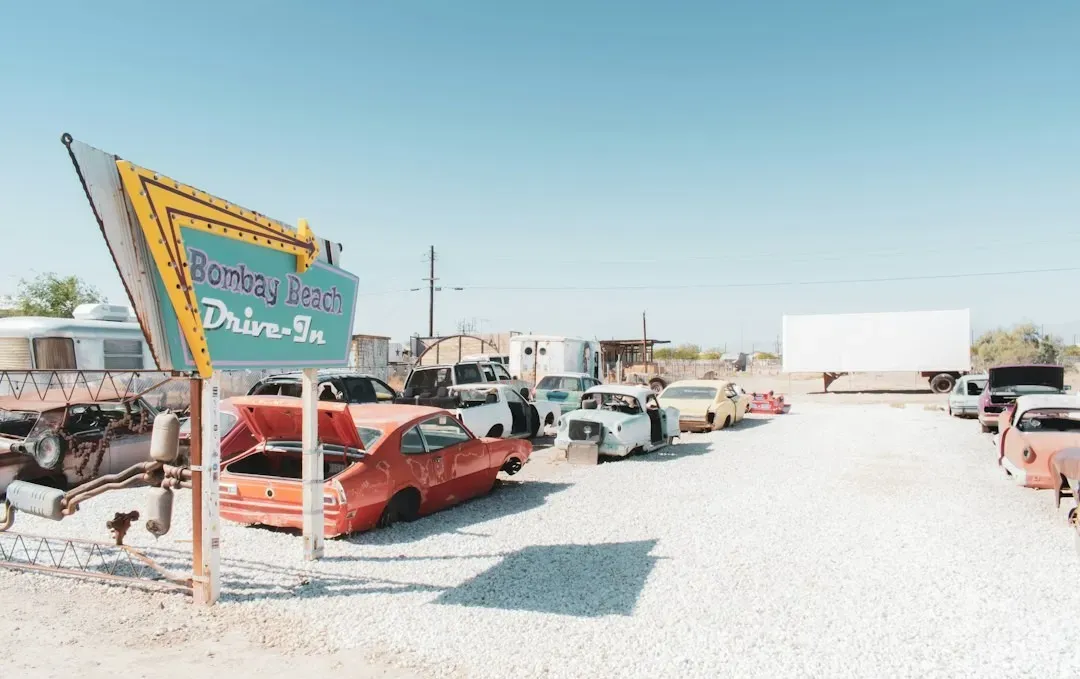
The first drive-in opened in New Jersey in 1933, in Camden. The idea was simple. People could watch a film from their own cars, without worrying about a crying baby or a stiff seat.
The format grew slowly, then quickly after the war. At their peak in the 1950s, more than four thousand drive-in theaters were operating in the United States. That peak sets the baseline for everything that followed.
The Long Decline

The numbers fell for decades. One local history of a Washington State theater points to declining viewership in the 1980s and the arrival of video rental shops as forces that shut many screens.
Rising land values also hurt, since a large lot is worth a lot to developers. By 2013, an estimated 360 drive-ins still remained. That was a small fraction of the peak.
How Many Are Left Today
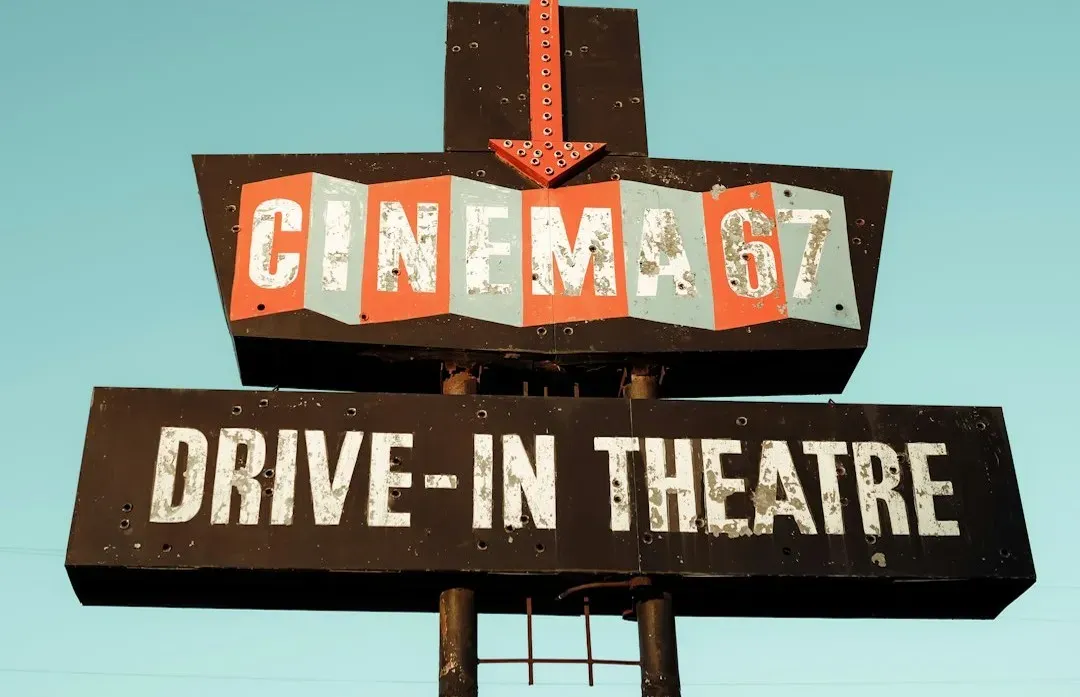
Counts differ depending on who is counting and how. One directory reports about 300 drive-in theaters operating across the country, in 46…
—-
Author : Matthias Binder
Publish date : 2026-10-14 11:15:00
Copyright for syndicated content belongs to the linked Source.
—-
1 – 2 – 3 – 4 – 5 – 6 – 7 – 8