Source link : https://las-vegas-news.com/8-myths-about-vinyl-records-that-audio-engineers-dispute/
Walk into any record shop and you’ll hear the same claims drifting between the racks. Vinyl is warmer, more natural, more honest than anything on a phone. Some of that comes from real enjoyment, and some of it hardens into folklore.
Mastering and mixing engineers spend their days looking at what actually happens between a recording and a groove. Their view is rarely anti vinyl, but it does complicate the popular story. Here are eight claims that technical evidence and working practice push back on.
Vinyl Has Higher Resolution Than Digital
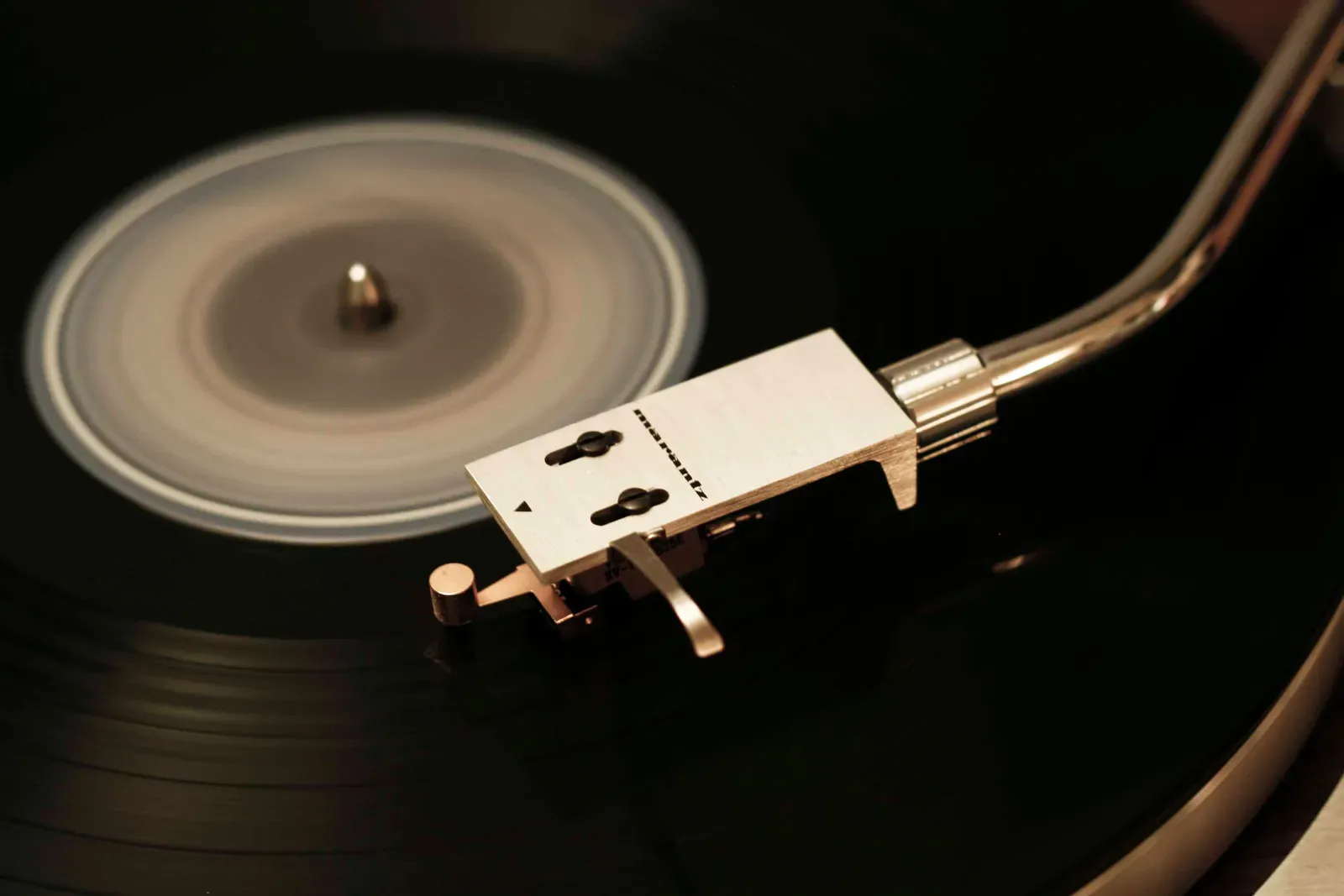
It’s an appealing idea, since a groove looks like a continuous physical copy of a wave. In practice, a vinyl record has a limited dynamic range, commonly estimated at somewhere around sixty to seventy decibels. A standard CD, with sixteen bit audio, can theoretically deliver about ninety six decibels.
The noise floor of vinyl is set by surface noise, rumble, and the limits of the cutting process. Vinyl can carry some content above twenty kilohertz, but distortion rises as the stylus tracks fine detail. Resolution in the measurable sense usually favors digital, which is why engineers hesitate to call vinyl the higher fidelity format.
Vinyl Sounds Warmer Because It Is Analog
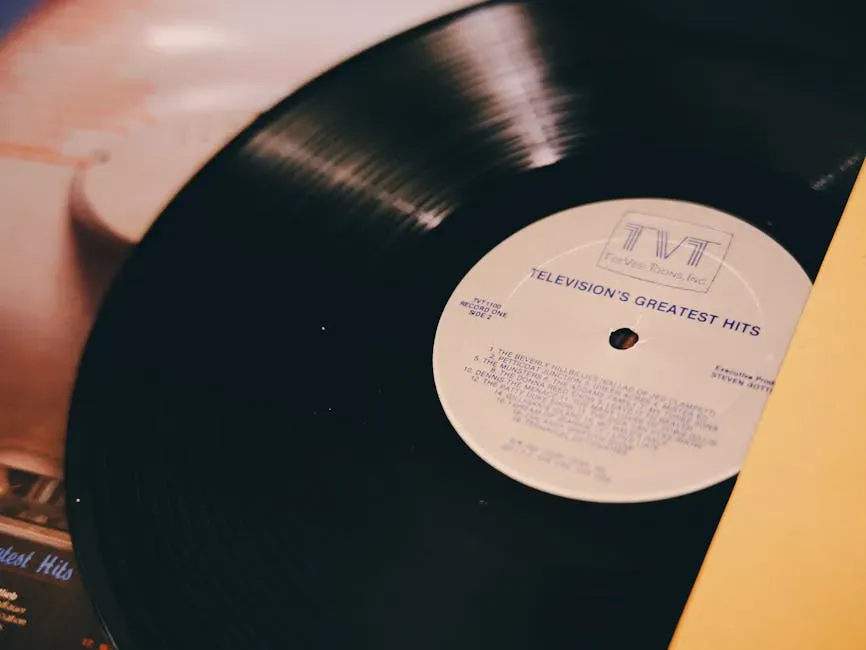
Many listeners do hear warmth, and engineers don’t dispute the experience. They dispute the cause. Playback adds…
—-
Author : Matthias Binder
Publish date : 2026-11-24 10:15:00
Copyright for syndicated content belongs to the linked Source.
—-
1 – 2 – 3 – 4 – 5 – 6 – 7 – 8